
From crime prevention to crypto compliance.
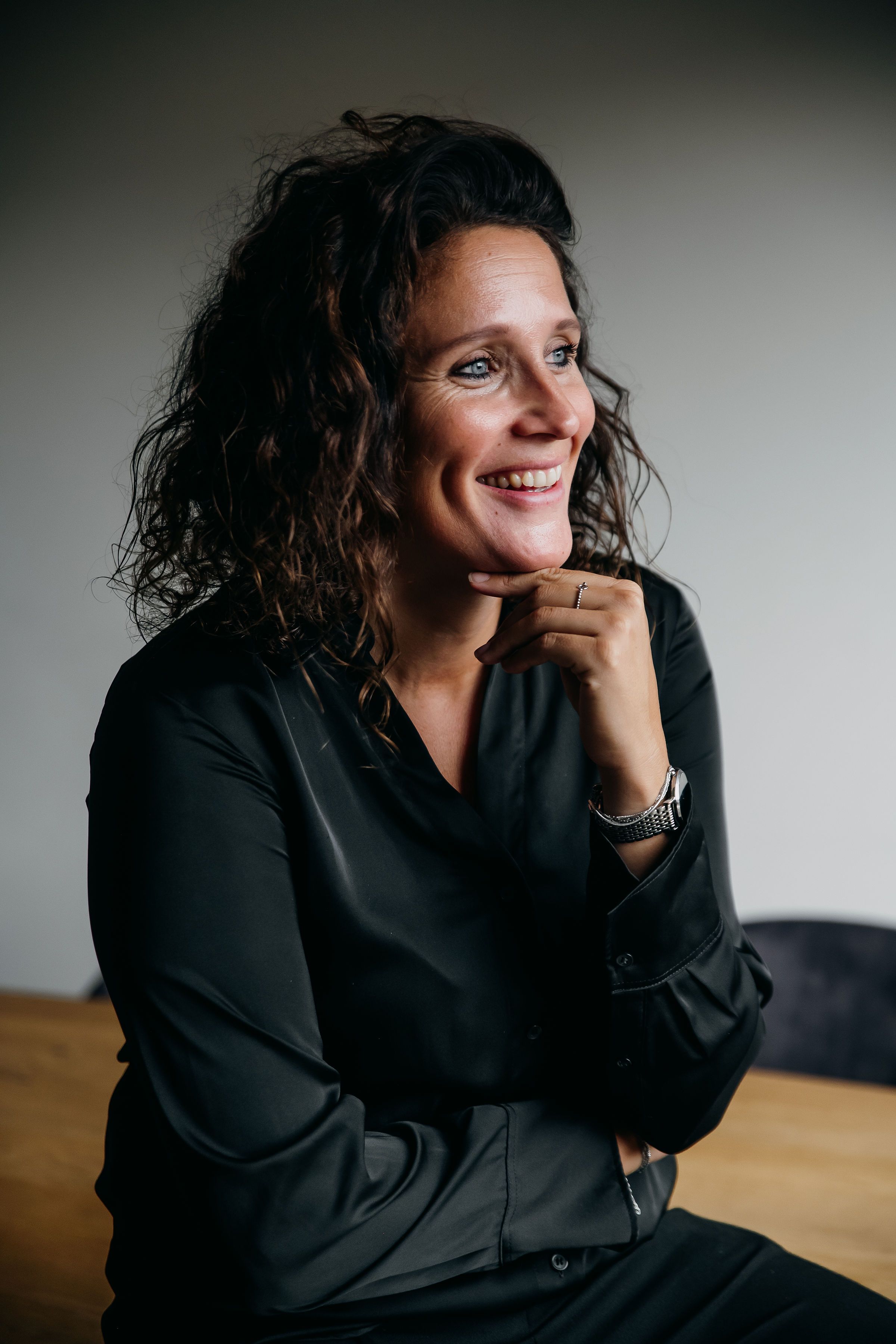
Liande Visscher, Founder, BARP, spent her career on the crime side, working with young people in the justice system, then organized crime policy, then public safety. She now runs a company built on what she saw when she arrived in crypto.
Her work today sits at the intersection of financial crime, digital assets, compliance and the practical application of AI.
She did not come to crypto from crypto.
Her first work was directly with young people involved in crime. From there she moved into policy and programs on organized crime, working alongside law enforcement and advising a mayor on public safety.
Crypto came much later. What she saw when she got there has shaped everything since.
"The technology was evolving incredibly fast, but the way we deal with financial crime and compliance around it was struggling to keep up."
That gap became BARP, the company she founded and now leads.
The gap she kept seeing
Financial institutions and regulated professionals increasingly need to know where digital assets came from. The obvious answer is that blockchain is public, so look it up. Liande's point is that looking is not the same as knowing.
"A transaction history on the block explorer is not the same as understanding Source of Funds or Source of Wealth. At the same time, many professionals who have to make those assessments are not blockchain specialists, and they shouldn't have to be."
So BARP set out to answer one question: how do you turn complex blockchain data into something a compliance officer, investigator, lawyer or bank can actually understand, assess and document, particularly when establishing Source of Funds and Source of Wealth?
She is careful about why that matters to her. It is not a case against crypto.
"For me it is ultimately about protecting innovation from misuse. I am very pro innovation. But if we want crypto, stablecoins and digital assets to become part of mainstream finance, we also need the infrastructure that allows institutions to use them responsibly."
Compliance as infrastructure
Most of this industry treats compliance as a tax on building. Liande argues the opposite, and she argues it commercially rather than morally.
"I see compliance as infrastructure for growth. If you only look at it as a cost center, you miss what good compliance actually enables: trust, access to markets, institutional adoption and ultimately scale."
Banks, governments and large institutions will not adopt digital assets because the technology works, she says. They will adopt when they can understand the risk, explain their decisions and defend those decisions to a regulator.
"The next phase of crypto is not just about better technology. It is about building the trust infrastructure around that technology. Good compliance should not stop innovation. It should make responsible innovation possible."
I don't see compliance as the price you pay for doing business. I see it as part of what allows you to do bigger business.
The question nobody asks
Liande spoke on MiCAR at the 2Tokens symposium, and her criticism of the current conversation is precise. The industry, she says, is fixated on being compliant rather than on what compliance requires in practice.
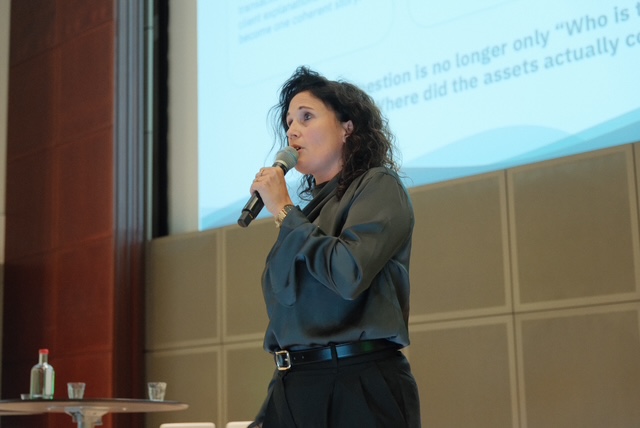
Regulation can tell you to understand risk, conduct due diligence and establish where assets came from. It does not tell an analyst how far back to trace a wallet, how many transactions are enough, what evidence is sufficient, or when it is reasonable to stop. With blockchain, you can theoretically trace forever.
"Regulation creates obligations, but the industry still needs practical standards for translating those obligations into defensible day to day decisions. The question is increasingly not 'are we compliant?' but 'can we demonstrate why this investigation was sufficient?'"
This translation from regulation to operational execution has become a central theme in Liande's work and speaking.
Asked what she wishes someone would put to her on a panel and never does, she does not hesitate.
"When have we done enough?"
"We talk constantly about more data, more monitoring, more analytics, more regulation. We very rarely talk about where proportionality ends. Good compliance should not mean investigating everything forever. It should mean making a proportionate, explainable and defensible decision based on risk."
Building slowly on purpose
Founding a company for regulated environments means a good product is not enough. You need to understand regulation, privacy, governance, security, procurement and how large organizations actually work inside. Compliance cannot be added afterward. It has to be in the architecture from the start.
"That makes building harder and sometimes frustratingly slow. But if you build with banks, governments, regulators and compliance professionals in mind from day one, you create something that can eventually operate in environments where the barriers to entry are extremely high."
She is clear about what BARP is and is not.
"We are not trying to create another blockchain analytics tool. We are building the layer between blockchain intelligence and the professional who ultimately has to make and defend a decision. That is harder to build, but also much harder to replace."
The only woman in the room
She is often the only woman on these panels. Asked whether that changes how she prepares, her answer is flat.
"Not really, and I think that is important. I don't want to prepare differently because I am the only woman in the room. I prepare because I want to know my subject and contribute something useful."
She notices it, and she is clear about what it says.
"When you look around a room and there are very few women in technical, financial or crypto discussions, that tells us something about the industry. But I don't think the solution is for women to adapt themselves to those rooms. I would rather see more women enter them as themselves, with their own expertise and their own way of communicating."
You don't have to be the loudest or most technical person on a panel to add value.
Don't wait for permission
For a woman who knows this material cold and still has not put herself forward:
"Stop waiting until you feel like you know everything. Nobody knows everything in this industry. It moves far too quickly. If you understand your subject, have experience and have something meaningful to contribute, then you belong in that conversation."
She has watched what speaking makes possible. People hear a perspective, conversations start, introductions happen, and small moments turn into larger ones.
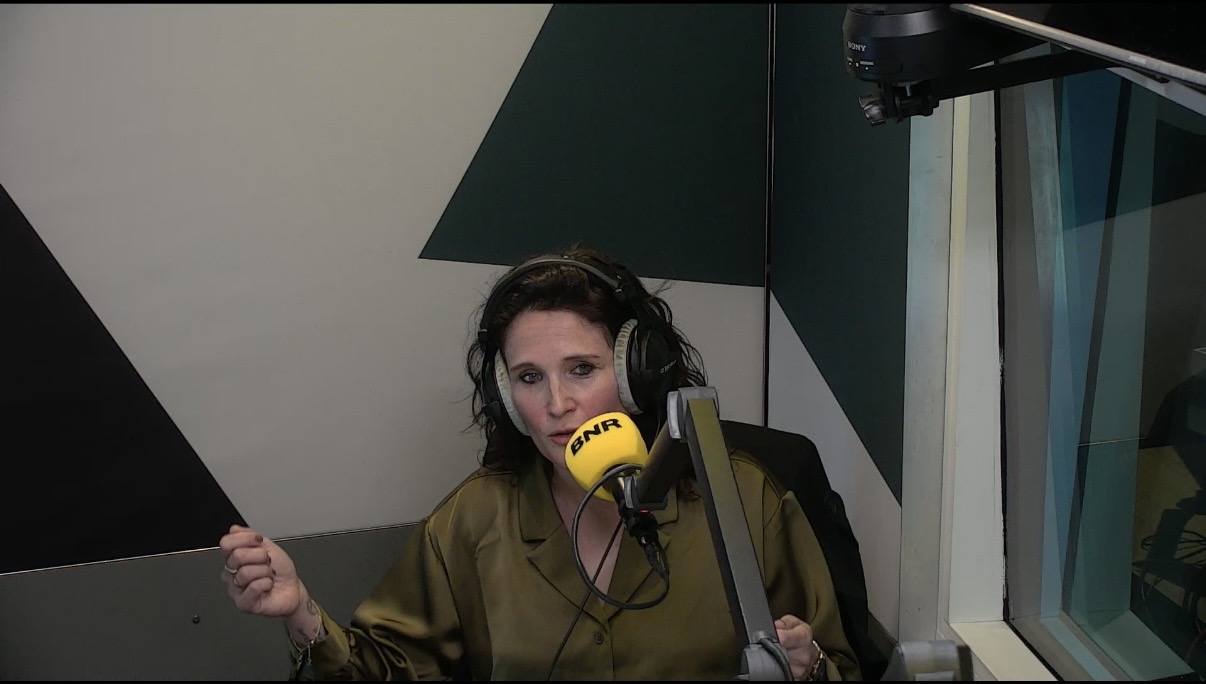
"So don't wait until somebody decides you are an expert and invites you. Put yourself forward. Your knowledge doesn't become more valuable because someone else gives you permission to share it."
Liande Visscher speaks on financial crime, crypto and digital assets, regulation, and the practical application of AI and emerging technologies in compliance. Her focus is translating complex regulatory and technological developments into practical approaches for the professionals and organizations navigating AML/CFT, AMLR, MiCA, the Travel Rule, international regulatory developments and evolving supervisory expectations. She also explores how AI and technology are changing the way organizations prevent and detect financial crime, and operationalize compliance.
She is in the Crypto Women Collective Speaker Index, which is open and free to use. Anyone can contact her directly.
Connect with Liande on LinkedIn.